


 +38 068 277 99 23
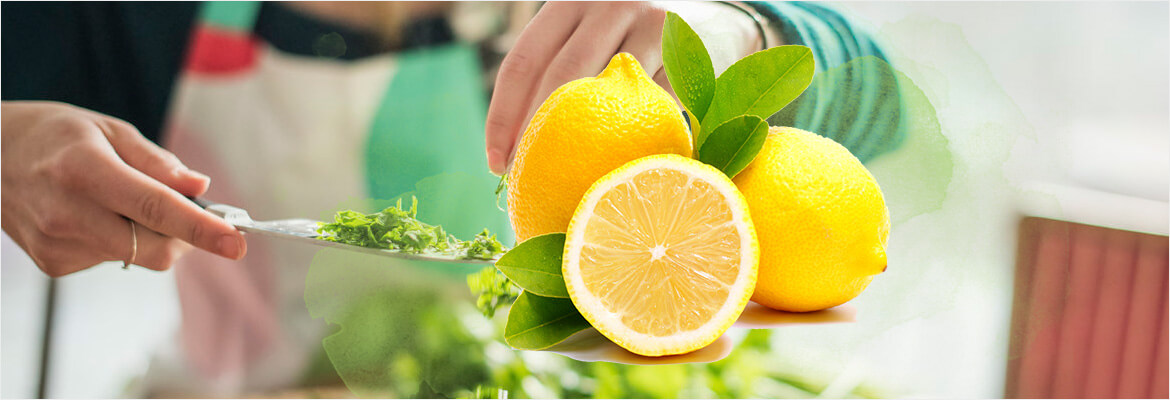


Parsley (Petroselinum crispum) is not just a popular culinary herb — it is a true superfood with unique health benefits. It contains more vitamin K than almost any other food product. Just 2 tablespoons of fresh chopped parsley or 1 full teaspoon of dried parsley provide up to 153% of the recommended daily intake of vitamin K for an adult.
Parsley is traditionally added to salads, soups, main dishes, and preserved foods. It is also widely used for producing essential oils and edible parsley oils.
Types of parsley oil

Parsley essential oil is produced through steam distillation of parsley seeds (and less commonly roots). It features a fresh aroma with subtle mint-like notes and a rich brownish-green color.
Parsley essential oil contains unique biologically active compounds such as apiol and myristicin, which may help brighten pigmentation spots and improve skin firmness and elasticity.
Edible parsley oil is a vegetable oil extracted from parsley seeds using the cold-pressing method. It has a spicy-herbal aroma with subtle coriander and pepper notes, along with a slightly bitter grassy flavor.
Raw parsley seed oil is considered a real «vitamin bomb» because it contains:
- Vitamin C (up to three times more than citrus fruits), folic acid, vitamins P, PP, A, and B-complex vitamins (B1, B2, B12);
- Minerals such as magnesium, calcium, potassium, copper, phosphorus and iron (twice as much as fresh spinach);
- Flavonoids including luteolin, apiin, apigenin, and chrysoeriol;
- Volatile compounds (essential oils) such as limonene, myristicin, apigenin and pinene;
Regular consumption of parsley seed oil may help strengthen the immune system thanks to its high vitamin C content and improve digestion due to its natural flavonoids and эфир compounds.
External use of parsley oil may improve skin condition, slow down aging processes, and provide nourishment for mature, aging, or excessively dry skin.
Green parsley oil is made by infusing fresh or dried parsley leaves in a selected base oil. The best bases are unrefined vegetable oils with mild taste and aroma, such as camelina oil, flaxseed oil, corn oil, sunflower oil or olive oil.
The quality of the base oil directly affects the nutritional value, taste and aroma of the finished parsley-infused oil.
How to make parsley oil at home
Unlike parsley essential oil, raw parsley seed oil is a relatively rare product that is difficult to find in online marketplaces or retail stores. However, it can be produced at home if you have enough parsley seeds, a dedicated oil press, and a pressing barrel.
To prepare parsley infused oil add 1 medium bunch of finely chopped fresh parsley (or 1–1.5 teaspoons of dried parsley) to 500 g of base oil. Mix thoroughly and seal tightly. Leave the mixture to infuse for 2 weeks. Strain the oil and transfer it into a storage container. Store in the refrigerator.
CraftOil presses and barrels for homemade oil production
CraftOil offers a wide range of equipment for producing natural «live» vegetable oils at home. Our catalog includes certified branded oil presses of various capacities, wooden and polymer (caprolon) barrels and cake ejectors for convenient oil extraction.

The following models are ideal for household oil production: 20-ton channel press, 20-ton sheet press, 30-ton channel press, hydraulic detachable 30-ton press or dual 30/30-ton press. These presses are compact, easy to operate, and suitable for extracting oils from seeds and nuts.
For larger-scale production and commercial oil making, we recommend 50-ton «Italian» press, 70-ton «Austrian» press and 75-ton oil press. These high-performance models are perfect for producing oils both for personal use and for sale.
We provide a 1-year warranty for every model, full customer support, and a wide range of raw materials for oil pressing, including flax seeds, black cumin seeds, camelina seeds, hulled pumpkin seeds, walnut kernels, sweet almonds and much more.
To learn more about CraftOil equipment and products, leave your request on the CraftOil website.


