


 +38 068 277 99 23


Vegetable oils have found their way into not only cooking but also traditional medicine and home cosmetology. They are used to care for the skin of the face and body, as well as hair, nails, and eyelashes. Each oil has its own unique fatty acid profile, which largely determines its potential benefits for the human body.
In recent years, fucus oil, also known as bladderwrack oil, has become particularly popular. It is an extract — and less commonly a macerate — of a brown seaweed known as bladderwrack (Fucus vesiculosus).
Fucus oil is commonly used in cosmetic body wraps, facial and body masks, and massage treatments. It helps moisturize and nourish the skin and is traditionally used in cosmetic care aimed at improving the appearance of cellulite, stretch marks, and other aesthetic concerns.
What are the benefits of fucus oil and how is it used?
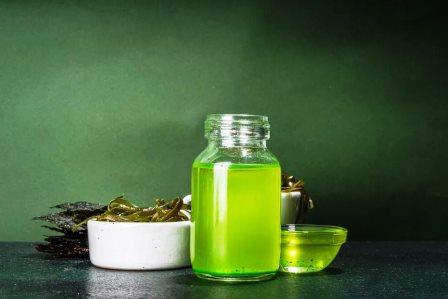
Fucus oil contains vitamins, minerals, and biologically active compounds that may provide beneficial effects when used in cosmetic and body-care applications. It may contain:
- Omega-3 and omega-6 fatty acids – unsaturated fatty acids involved in lipid metabolism and important for maintaining the skin’s protective barrier;
- Iodine – a mineral naturally present in bladderwrack and other brown seaweeds. In cosmetic formulations, seaweed ingredients are traditionally used in products designed to support skin conditioning and circulation;
- Chlorophyll – a natural antioxidant compound that helps protect cells from oxidative stress caused by free radicals. Antioxidant ingredients are widely used in skin-care products designed to help protect the skin from environmental stressors;
- Fucoidan – a polysaccharide found in brown seaweeds. It has attracted scientific interest because of its antioxidant and anti-inflammatory properties;
- Alginic acid (alginate) – a complex polysaccharide characteristic of brown algae. It is widely used in cosmetics and skin-care products because of its film-forming, moisturizing, and absorbent properties;
How to use brown seaweed oil
Fucus oil is intended for external use. For facial massage, fucus oil can be diluted with another carrier oil at a ratio of approximately 1:5. In cosmetic practice, such a blend may be used as part of facial massage intended to improve the appearance of skin tone and firmness. It can also be incorporated into routines focused on the appearance of the jawline, double chin, and visible wrinkles.
Body wraps made with fucus oil and mustard oil in a 1:1 ratio are traditionally used in cosmetic body-care routines targeting the appearance of cellulite on the thighs and buttocks. Such treatments may also help make stretch marks and striae appear less noticeable.
Manual massage of areas considered problematic can be incorporated into a body-care routine aimed at improving the appearance and elasticity of the skin and creating a smoother, more even-looking complexion.
Important: fucus oil and bladderwrack preparations are cosmetic ingredients rather than medical treatments. Before using a seaweed-based product on the skin, especially over large areas, perform a patch test and follow the manufacturer’s instructions.
How is fucus oil made?
In industrial production, Fucus vesiculosus oil may be produced using extraction methods. At home, however, it is more realistic to make a macerate (infused oil) — that is, an infusion of the seaweed in a carrier oil such as almond, mustard, flaxseed, or sesame oil.
The quality of the carrier oil directly affects the characteristics of homemade fucus macerate and, consequently, its suitability for cosmetic applications.
The greatest value is generally attributed to high-quality raw vegetable oils produced using cold-press extraction. These oils can be made at home if you have the appropriate equipment, such as an oil press, a collection container, and suitable raw materials such as seeds or nuts.
CraftOil oil-pressing equipment ТМ CraftOil
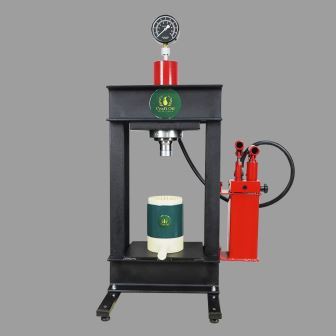
CraftOil offers a regularly updated and expanding range of oil pressing equipment and accessories. Our catalog includes branded presses with capacities ranging from 20 to 75 tons, supplied with the equipment necessary for operation.
The 20-ton sheet-metal press, 20-ton channel press, 30-ton dismountable hydraulic press, and 30-ton modular Ukrainian press, including the 30/30-ton paired setup, are ideal for people who want to produce fresh, raw vegetable oils for themselves and their families.
The 50-ton Combo press, 50-ton Ukrainian press, 70-ton Austrian press, and other models are suitable for those planning to turn oil production into a profitable business.
We provide a 1-year official warranty on all our equipment and offer comprehensive assistance and support throughout the entire process — from selecting the right equipment to maintenance and servicing.
CraftOil also makes it easy to find high-quality, environmentally friendly raw materials, including amaranth and sesame seeds, mustard and flax seeds, sweet almonds, cashews, walnut kernels, walnut pieces, and more.
To learn more about our products and/or choose the right equipment or raw materials for your needs, submit a request through our website.


