


 +38 068 277 99 23


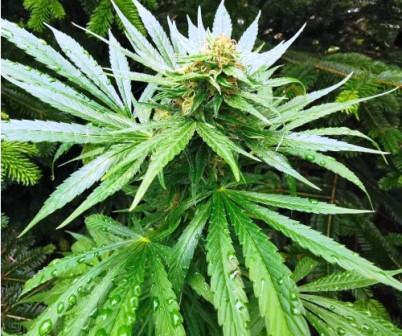
Hemp (cannabis) is an annual plant that produces small seeds, botanically classified as nuts. Hemp has been cultivated for medical, cosmetic, culinary, and industrial purposes. From hemp, people produce textiles, paper, flour, hemp oil, and many other products.
Because of the potential misuse of cannabis, its reputation has suffered, and its popularity has declined. However, considering hemp harmful by default is incorrect: under certain conditions, almost any plant can be toxic.
Hemp: history and uses
Cannabis has been known to humanity since 8800 BC. Although there are no exact records of how it was used at the time, scientists suggest its stems were most likely woven into ropes or cords.
In 1973, breeders first created a strain completely free of psychoactive compounds. Today, there are over 100 varieties of hemp, most of which are safe and even beneficial for health.
Toxic effects are linked only to wild species of cannabis containing two cannabinoids:
- THC (tetrahydrocannabinol) – a psychoactive substance that alters consciousness and can cause hallucinations;
- CBD (cannabidiol) – a neutral, non-psychoactive compound that does not affect the nervous system, memory, or brain function;
Industrial hemp contains only trace amounts of THC, found in leaves, stems, and bracts. Extracting psychoactive compounds from them is so difficult that it can be compared to extracting gold from seawater.
The difference Between hemp and marijuana
In essence, hemp and marijuana come from the same cannabis plant species. The difference lies in their chemical composition:
- Industrial hemp, used in food, cosmetics, and medicine, contains negligible amounts of intoxicating substances;
- Marijuana refers to cannabis strains with high THC levels and very low CBD content. Strains with THC above 15–20% are considered toxic;
In 2023, all food-grade hemp grown in Europe and Canada was certified as containing less than 0.3% THC, making it completely safe for consumption.
Health benefits of hemp seeds
For food and industrial use, the most common species is Cannabis sativa. The hemp seeds, once shelled, have a whitish or greenish color and a delicate nutty flavor.
Nutritional value of hemp seeds: rich in vitamins B1, B2, B6, vitamin C, vitamin E, and PP, contain potassium, phosphorus, magnesium, copper, and an ideal balance of essential fatty acids (Omega-3, Omega-6) and provide a complete source of plant protein and essential amino acids, even surpassing soy.
Consuming hemp seeds provides energy, improves metabolism, strengthens the immune system, and accelerates recovery after illness.
Organic hemp seeds and oil from CraftOil
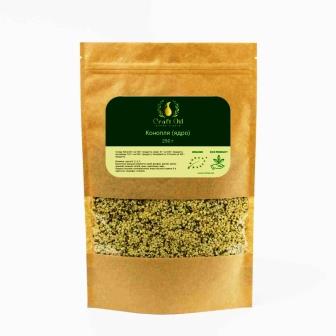
CraftOil offers a wide selection of natural hemp products: cold-pressed hemp oil, fresh hemp flour and premium hemp seeds. All products undergo strict quality control and are certified. Our hemp is grown in eco-friendly regions, stored under optimal conditions, and packaged in recyclable paper bags only after an order is placed. We deliver hemp seeds, hemp flour, and hemp oil across Ukraine and Europe, guaranteeing freshness and quality.
In addition to hemp products, CraftOil also provides almond flour and almond oil, flax oil and flax seeds of different varieties, other organic superfoods for a healthy diet.
Want to learn more about our assortment? Visit our website, leave a request, and we’ll answer all your questions or help you place an order.


