


 +38 068 277 99 23



The term «terroir» is most commonly associated with wine, as it refers to the combination of natural and human factors that influence the taste, aroma, strength, and other characteristics of an alcoholic beverage. However, terroir is not limited to winemaking — it is also highly relevant in beekeeping. This is quite logical, since honey, like wine, is a «living» product.
Bees are extremely intelligent insects. They do not collect nectar randomly; instead, they choose nectar-bearing plants based on aroma and other qualities. That is why different types of honey vary in color, fragrance, and taste. In a sense, every variety of honey carries a unique «fingerprint» of the place where the nectar was collected — its own honey terroir.
Most popular types of honey
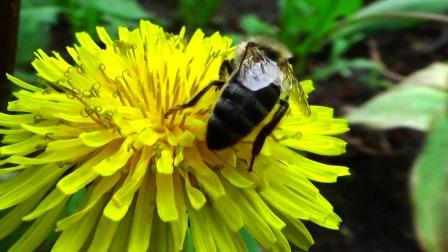
Honey is conventionally divided into two main categories: dark honey and light honey. Dark honey is rich in iron and copper, making it especially beneficial for people suffering from anemia. Light honey, on the other hand, is easier and faster to digest, which makes it more suitable for children, elderly people, and those recovering from illness.
Dark honey varieties:
- Buckwheat honey (sometimes called buckwheat blossom honey) has a dark yellow, sometimes reddish hue and a distinctive taste with sharp, slightly astringent, throat-tingling notes;
- Chestnut honey is known for its high density and mildly bitter aftertaste, as well as a very subtle, almost imperceptible aroma;
- Heather honey features a red-brown color and a scent reminiscent of freshly cut grass. This type of honey is primarily produced by traditional beekeepers in western regions of Ukraine (Polissya and Transcarpathia), where wild heather naturally grows;
Light honey varieties:
- Acacia honey is very liquid and almost transparent, sometimes with a faint yellow tint. It has a strong, rich floral aroma, a pronounced sweetness, and crystallizes very slowly.
- Linden honey offers a pleasant, delicate taste with a slight mustard-like note in the aftertaste and a beautiful golden-yellow color;
- Raspberry honey is characterized by a light yellow shade and a subtle floral-berry aroma. Unlike most other varieties, it has a sweet-and-sour taste without any astringency;
- Sweet clover honey (also known as melilot honey) has a whitish, sometimes cloudy appearance, a vanilla-like aroma, and an unusual creamy flavor that is rare for honey;
Another key factor shaping what professional beekeepers call honey terroir is the timeliness and correctness of honey extraction. The equipment used plays a crucial role here. Simply put, the quality of the honey extractor directly affects the taste, aroma, health benefits, and shelf life of honey.
Certified CraftOil honey extractors — the best equipment for high-quality honey
CraftOil offers a wide and constantly expanding range of products, including vegetable oils, grains, nuts, flour, and professional beekeeping equipment. Our catalog always features certified honey extractors of various designs and capacities, made from food-grade stainless steel approved for use in the food industry.
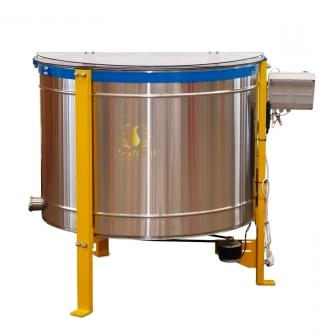
Models such as MZ-28n, MK-4 (300 mm), MD-4 (300 mm), MRK-48/9 cassette (230 mm) and others operate fully automatically. They extract nectar from all popular frame types (including custom-made frames) without damaging them. These honey extractors are equipped with a convenient remote control and do not require operator supervision during operation.
At CraftOil, you can also find and choose practical, lightweight, and highly durable polymer beehives, along with compatible hive bodies and bottom boards. They are resistant to moisture, sunlight, temperature fluctuations, and other environmental factors, providing bee colonies with maximum comfort and optimal living conditions.
To learn more about our beekeeping equipment and honey production products, simply leave a request on our website.


