


 +38 068 277 99 23
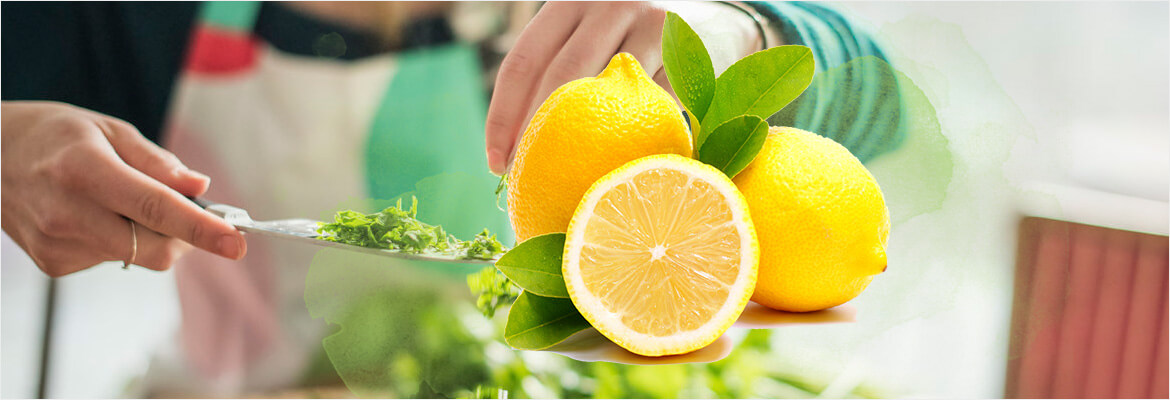


Healing herbs and plants have traditionally been used in herbal medicine, naturopathy, and home skincare. They can be used to prepare herbal decoctions, water- and alcohol-based infusions, extracts, and macerates that may support overall well-being and help address various cosmetic concerns.
Another useful natural skincare product is ubtan — an Ayurvedic herbal powder blend traditionally used for facial and body care.
What is ubtan and how is it made?
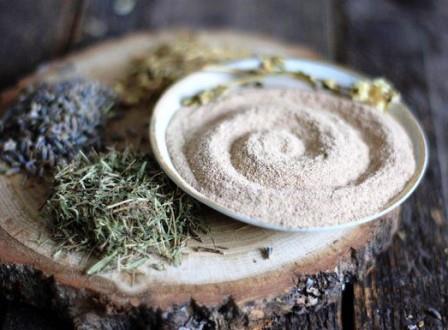
Ubtan is one of the ancient natural skincare remedies originating in India. The word “ubtan” comes from Hindi and refers to a mixture of cleansing powders. Historical references to ubtan date back more than 5,000 years.
Ubtan has traditionally been associated with various religious and cultural rituals, including the Haldi ceremony, which is an important part of Indian wedding traditions. Before the wedding, the bride and groom traditionally have a turmeric-based paste applied to their bodies as part of a purification and blessing ritual.
Today, ubtan powder blends are widely used as part of facial and body skincare routines. They provide gentle, non-abrasive cleansing, nourish the skin, and can help maintain its healthy and youthful appearance.
Ubtan can also be easily prepared at home using readily available natural ingredients.
A typical ubtan recipe may contain:
- Dried and finely ground herbs, selected according to individual skin needs;
- White and/or blue clay (occasionally pink clay);
- Flour, most commonly almond or oat flour;
- Spices, particularly turmeric and ginger;
Modern ubtan blends often contain chamomile, string herb (Bidens tripartita), calendula, and tea rose petals. Properly drying these botanical ingredients is important for preserving their natural properties and making a high-quality herbal powder for skincare.
How to dry herbs for ubtan
Herbs intended for ubtan, natural cosmetics, and herbal preparations should be collected away from industrial areas, busy roads, and other sources of pollution.
The best time to harvest herbs is during dry weather with moderate sunlight, preferably in the first half of the day after the morning dew has evaporated.
After harvesting, rinse the plants gently and allow excess water to drain. The drying temperature and time depend on the type of plant material.
Recommended drying temperatures include:
- Chamomile flowers — 35–40°C (95–104°F);
- Calendula flowers — 40–45°C (104–113°F);
- String herb (Bidens tripartita), leaves and young shoots — 40–45°C (104–113°F);
- Rose petals — 30–40°C (86–104°F);
The herb drying time depends on the moisture content and oiliness of the plant material. As a general guideline herbs and leafy plant material — approximately 6–7 hours, flowers — approximately 4–6 hours, rose petals — approximately 2–3 hours. A herb dehydrator or drying cabinet is particularly convenient for preparing herbs for ubtan because it provides continuous air circulation and more even drying.
Simply spread the plant material in a single layer on a tray, place it in the dehydrator, and select the appropriate temperature and drying time.
Properly dried herbs should be completely dry before grinding them into a fine powder. Store the finished herbal powders in clean, dry, airtight containers away from direct sunlight and moisture.
CraftOil drying cabinets — equipment for home and commercial use
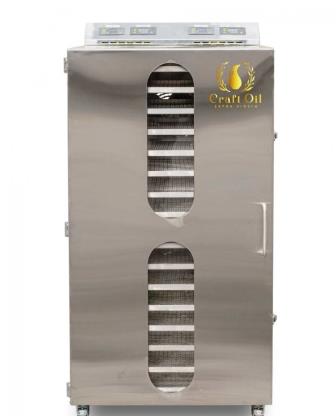
CraftOil offers a range of certified automatic electric drying cabinets made from a special type of stainless steel approved for use in the food industry.
The SS-M and SS-M2 models are well suited for home use. They are compact, feature a clean, minimalist design, and offer a variety of practical functions.
The SS-1, SS-2, and other models are designed for commercial use. This equipment can help businesses expand their product range and/or prepare dried botanical ingredients and other products for their own production needs.
The CraftOil website also offers a variety of flours, including almond flour, as well as a selection of organic, 100% natural spices such as turmeric, ground ginger, black pepper, and allspice. Ready-made seasoning blends for lard, meat, poultry, fish, and seafood are also available.
To learn more about the products, their applications, and how they can be used for drying herbs and preparing natural ingredients, submit an inquiry through our website.


