


 +38 068 277 99 23
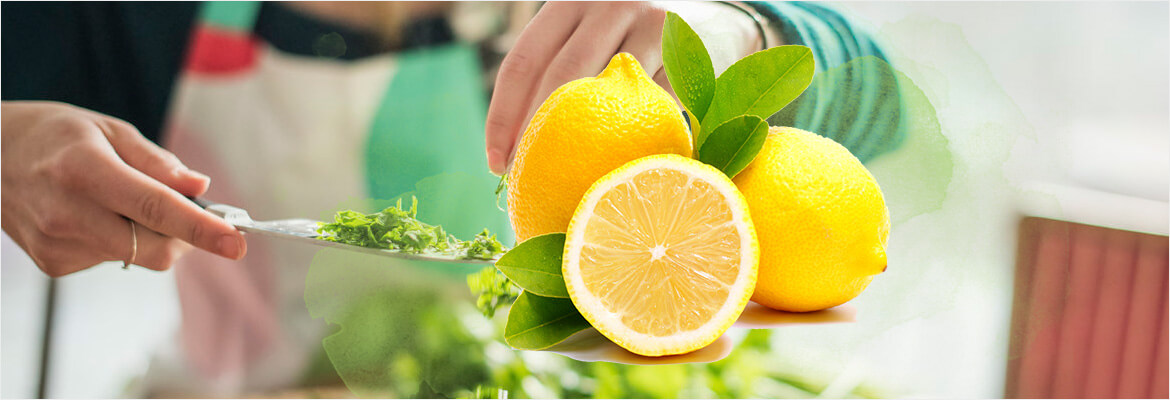


The popularity of organic and handcrafted products continues to grow year after year. More and more people prefer to cold-press their own vegetable oils, cook homemade food instead of buying processed products, and make handmade soap at home. First of all, this guarantees 100% natural ingredients, and secondly, it allows you to create custom soap tailored to your personal preferences and skin needs.
Soap is an essential part of daily hygiene and skincare for the face and body. The condition of your skin and hair directly depends on its quality. To make soap as beneficial and pleasant to use as possible, it is recommended to add essential oils and carrier (base) oils during the soap-making process. These oils help prevent dryness, reduce irritation, and provide nourishing and moisturizing effects.
In addition, soap made with natural oils has a richer aroma and a softer, more skin-friendly texture.
Which esential oils to add to homemade soap
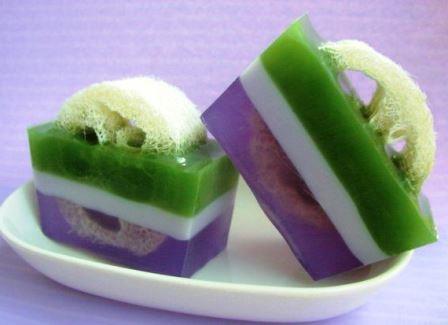
Choosing essential oils for handmade soap depends on three main factors:
- Desired effect (antibacterial, smoothing, anti-aging, etc.);
- Volatility (how quickly the scent evaporates and how long it stays on the skin);
- Fragrance (personal preference and tolerance to specific aromas);
Adding lemon, orange, lemongrass, or mandarin essential oils tones the skin, helps remove dead skin cells, and gives soap a bright, strong but short-lasting fragrance.
Soap made with peppermint, eucalyptus, fennel, pine, or fir essential oils refreshes the skin and removes excess sebum, leaving a subtle and barely noticeable scent on the hands or body.
Clove and cinnamon essential oils give soap a warm, spicy aroma and provide a gentle warming effect. They are especially suitable for the autumn-winter season, when skin suffers from low temperatures and cold winds.
When making cold process soap from scratch, the concentration of essential oils should not exceed 2%. On average, this equals 5–10 drops per 100 g of soap base.
Best carrier oils for handmade soap
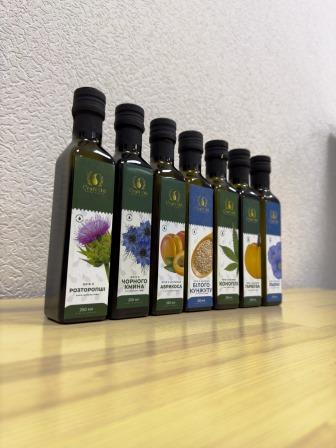
Unlike synthetic ingredients commonly used in mass-produced soaps and household chemicals, natural vegetable oils do not dry out the skin. On the contrary, they nourish and moisturize it. Moreover, they form a thin, invisible protective layer on the skin that prevents moisture loss and protects against dehydration.
Olive oil soap is ideal for anti-aging skincare. It smooths the skin, improves elasticity, and reduces the appearance of fine lines and wrinkles.
Castor oil and hemp oil enhance the lathering properties of soap, leaving the skin soft, velvety, and silky.
Adding poppy seed oil, almond oil, or apricot kernel oil gives soap a luxurious aroma and makes it perfect for sensitive and irritation-prone skin.
When making soap from scratch, the content of vegetable oils should be 15–20%. If using a ready-made soap base, add approximately ⅓ teaspoon per 100 g (slightly more is acceptable).
Homemade soap is not only an excellent skincare product but also a wonderful gift for New Year, Christmas, birthdays, and other holidays. To ensure high quality as well as visual appeal, it is important to use raw organic oils — «living» products with a thick texture, rich in vitamins, fatty acids, and micro- and macroelements.
CraftOil vegetable oils — the perfect base for handmade soap
CraftOil™ offers 100% natural, aromatic, and highly beneficial vegetable oils for handmade soap production. Our catalog always includes poppy seed oil, apricot kernel oil, hemp oil, castor oil and many other premium oils.
All oils are cold-pressed on the day of purchase, using certified branded presses, caprolon or ashwood barrels (dry assembly), and only high-quality raw materials — environmentally friendly nuts and oilseed grains.
CraftOil also allows you to press your own oils by ordering one of our oil presses with a complete starter kit. To learn more or choose the perfect oil for your needs, simply leave a request on our website.


